Ukraine’s energy sector continues to operate under unprecedented wartime challenges. Under such circumstances, judicial practice in the energy market carries no less weight than new laws or resolutions passed by the regulator.
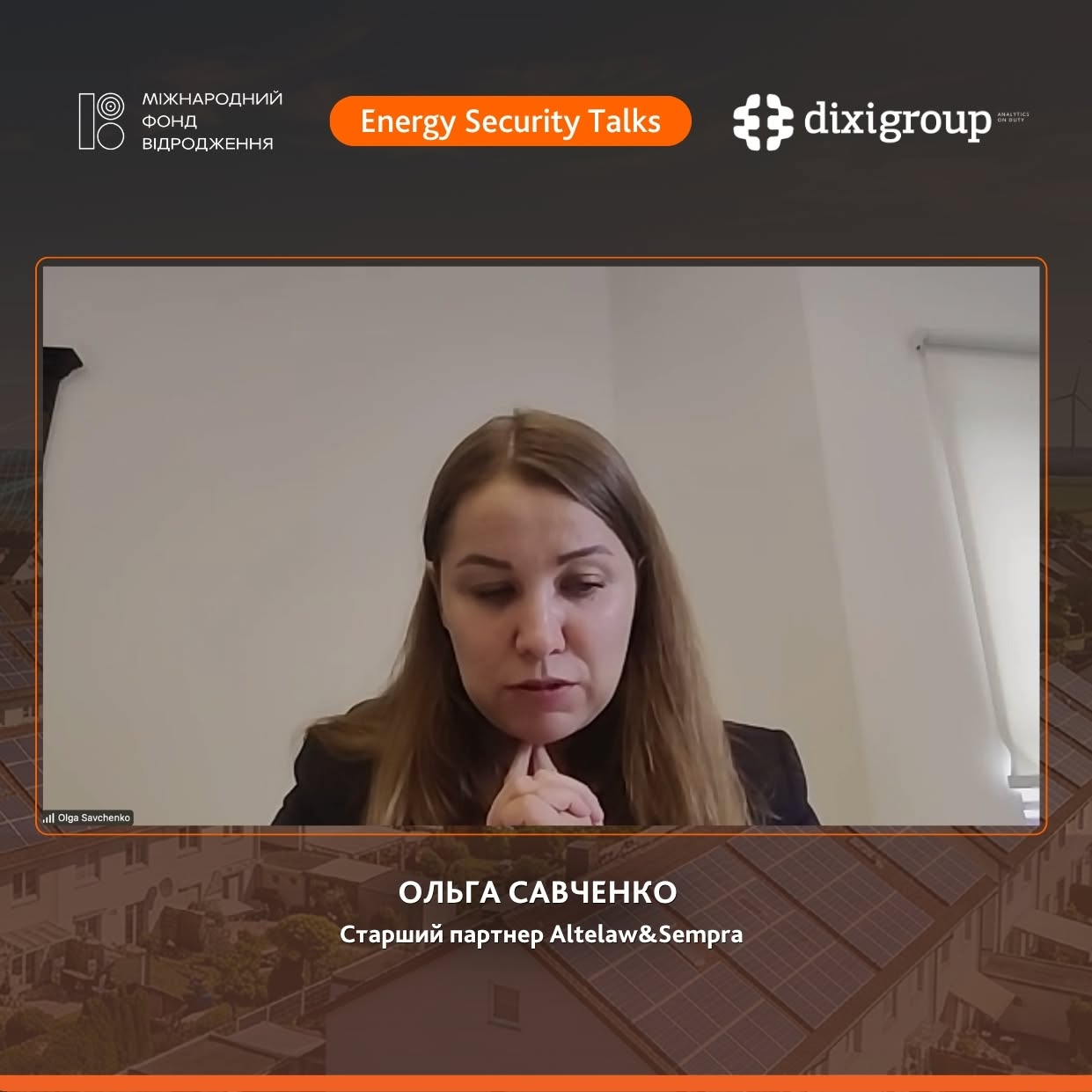
Recently, Olga Savchenko, Senior Partner at Altelaw&Sempra, featured as a keynote speaker at the XIV International Judicial and Legal Forum. Within a specialized session, she presented a comprehensive analysis of the most critical wartime judicial precedents and legal trends.
4 Key Precedents for the Energy Market: Analysis by Olga Savchenko
Analyzing current litigation, the speaker highlighted four critical focal points that are currently defining the rules of the game in the market:
- Protection of RES Producers in Disputes with the “Guaranteed Buyer” The Supreme Court clearly confirmed the right of producers to full compensation for damages resulting from breaches of obligations. The Court emphasized that the 3% annual interest and inflation losses are not subject to reduction, and the very formula for calculating imbalances was ruled unlawful. This marks a fundamental victory for the renewable energy sector.
- Rule of Law Over Regulatory Decisions Judicial practice is gradually limiting attempts to substitute statutory laws with temporary regulatory resolutions. Even under martial law, market participants can successfully protect their interests if the introduced restrictions are not explicitly prescribed in the core legislation.
- Protection of Energy Equipment Depreciation A positive trend has been observed in the tax dispute sector. Courts are increasingly siding with businesses, canceling tax assessment notices (TANs) regarding the underpayment of corporate income tax due to allegedly “overstated” equipment depreciation.
- Commercial Metering Crisis in Temporarily Occupied Territories (TOT) One of the most complex issues remains the zeroing-out of generation data in the TOT. Due to conflicting approaches of the Supreme Court regarding the evaluation and adjustment of validated data, the situation remains critical.